
When a severe bacterial infection occurs, the body’s response usually includes an increase in the number of WBC’s—especially neutrophils—in the blood, a condition called leukocytosis. In contrast, alcoholics suffering from bacterial infections often exhibit a reduced number of neutrophils in the blood (i.e., neutropenia). While crucial for preventing blood clots, blood thinners can have several side effects. This can manifest as nosebleeds, bleeding gums, heavy menstrual bleeding, prolonged bleeding from cuts, or unexpected bruising. In severe cases, it can lead to internal bleeding, which might not be immediately noticeable.
The Impact of Chronic vs Occasional Drinking on Bruising Patterns
Studies have suggested that people with psoriasis are nearly twice as likely to be heavy drinkers. Furthermore, alcohol can interfere with the effectiveness of psoriasis treatments and may increase the risk of side effects from certain medications. Reducing or abstaining from https://ecosoberhouse.com/ alcohol is often advised to manage psoriasis effectively. There are several causes of bruises after drinking; some of these causes are not particularly serious, whereas others could point to a health problem.
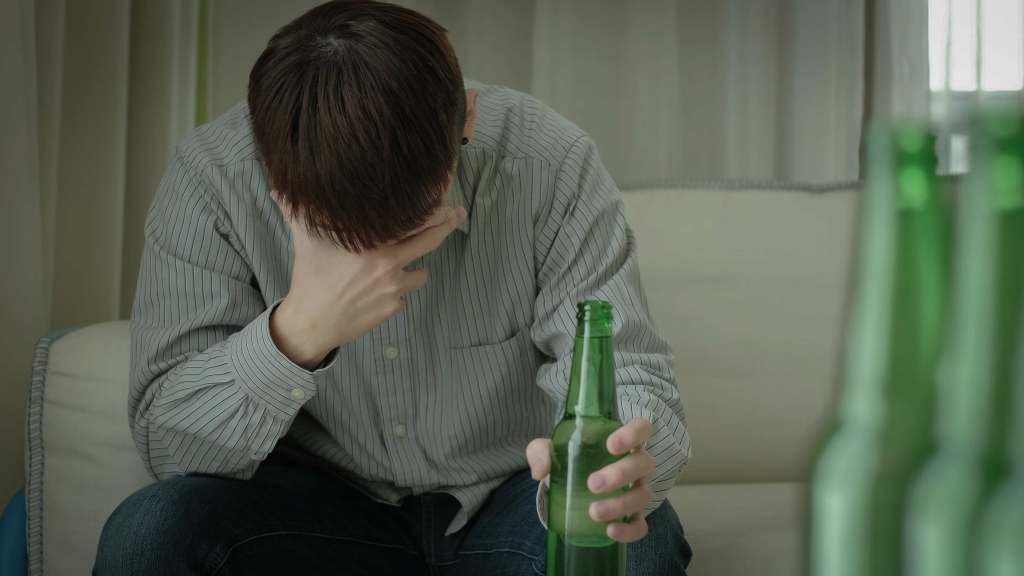
Can Drinking Alcohol Make Bruises More Severe?
They alcoholism symptoms have experienced no trauma, and the bruises they have are large and appear frequently. According to BMJ Best Practice, surveys suggest that somewhere between 12 percent and 55 percent of people have some form of easy bruising. Chronic heavy drinking can cause alcoholic hepatitis, which is the inflammation of your liver.

Jaundice From Liver Damage
Platelets are important for the coagulation of blood and heavy drinking impairs the generation as well as function of these platelets. The more you drink, the lesser the chance that your blood will clot, you get bruises after drinking due to those left by some minor bruises. Something people might notice with ongoing, severe alcohol misuse is bruising from alcohol.
- Drinking alcohol while taking rivaroxaban can increase the likelihood of bleeding complications.
- Keeping yourself hydrated is critical to avoid and stop bruising from alcohol.
- In contrast, alcoholics suffering from bacterial infections often exhibit a reduced number of neutrophils in the blood (i.e., neutropenia).
- Hence, seeking professional medical advice is crucial if you notice such symptoms.
- Instead, swirling wine in a glass is a more gentle form of bruising that can help release its aromas.
- If your bruise doesn’t improve within two weeks, or if you start to notice frequent, unexplained bruises—whether you’re drunk or sober—call your doctor.
- Let’s explore this question and delve into the relationship between alcohol and bruising.
- Occasional moderate drinking might cause minor changes but rarely leads to serious problems unless combined with other risk factors like medication use or existing health conditions.
- It’s advisable to discuss your specific situation with your healthcare provider to ensure that your coffee consumption doesn’t interfere with your medication regimen.
While throwing up can make you feel miserable, it is one of your body’s self-defense mechanisms to remove excess toxins from the alcohol consumed. In short, alcohol may increase your risk of experiencing gastritis and digestive symptoms. Alcohol is one possible culprit for heartburn because it may lead to increased production of stomach acid.
The Blood Thinning Properties of Alcohol
Alcohol would help one fall asleep sooner, but it does interrupt deeper stages of restorative sleep, especially REM. Poor sleep increases inflammation and diminishes immune function while impeding healing. The potential for bruising grows, as even sleep of poor quality may not allow that quality repair of damaged blood vessels to take place. Chronic drinking makes the liver incapable of performing its work, and the levels of the proteins become deficient.
As part of the Nurses Health Study II, researchers looked for an association between new cases of psoriasis and do alcoholics bruise easily alcohol use 4. A group of 82,869 women who reported they drank alcohol and had no history of psoriasis were followed for 14 years, beginning in 1991. Of the group, 1,150 developed psoriasis, a significantly higher rate than nondrinkers in an original cohort of 116,671 women. Subjects who developed psoriasis reported drinking 2 to 3 drinks per week or more.
According to UPMC, your liver contains about 10 percent of your total blood supply at any given time. When you’re drinking alcohol, your liver is working hard to process the toxins from your blood, but that work takes time. Alcohol withdrawal itself does not directly cause blood clots, but it can lead to a hypercoagulable state where the blood’s tendency to clot is increased.